
MAIN MENU
- About Us
- Academics & admissions
- B. Arch
- Masters in Architecture Education
- Masters in Urban Design
- Academic Booklets
- Ph.D.
- Online Valuation Courses
- Scholarships
- CO, PO and PSO
- Degree Issue Procedure
- List of Holidays
- Experimental Learning
- Co-curricular Activities
- Academic bank of credits
- Accreditations
- Training & Placement
- Library
- Campus Life
- Alumni
- Events & Media
- Research
- Supporting Cells
- Other Links
- Contact Us
- About Us
- Academics & admissions
- B. Arch
- Masters in Architecture Education
- Masters in Urban Design
- Academic Booklets
- Ph.D.
- Online Valuation Courses
- Scholarships
- CO, PO and PSO
- Degree Issue Procedure
- List of Holidays
- Experimental Learning
- Co-curricular Activities
- Academic bank of credits
- Accreditations
- Training & Placement
- Library
- Campus Life
- Alumni
- Events & Media
- Research
- Supporting Cells
- Other Links
- Contact Us
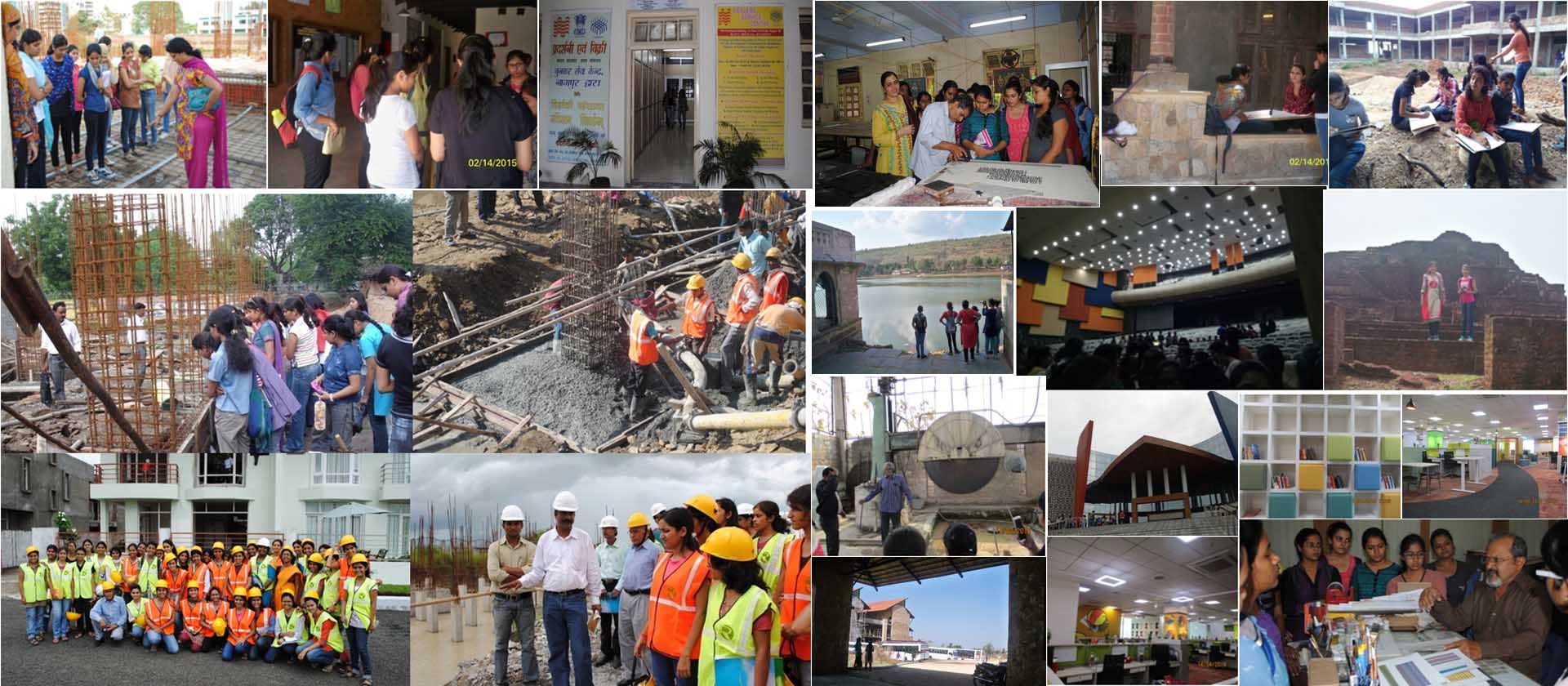
Site Visits


2025-26
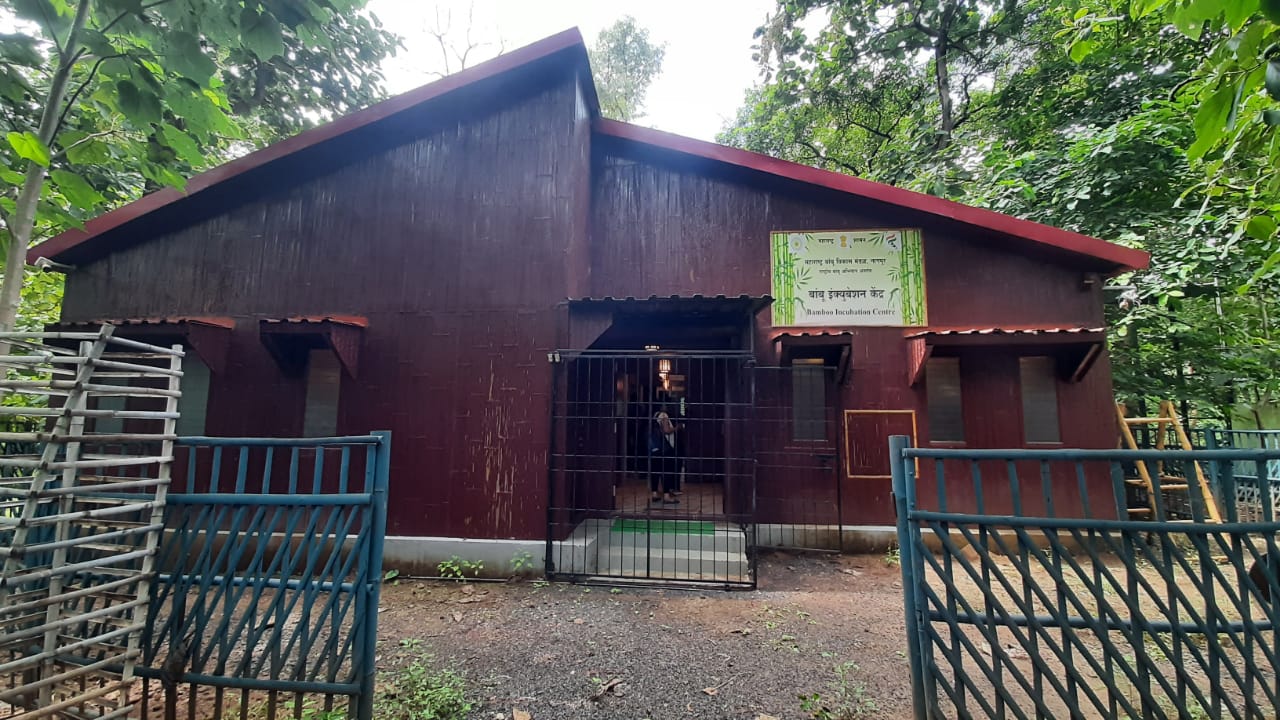
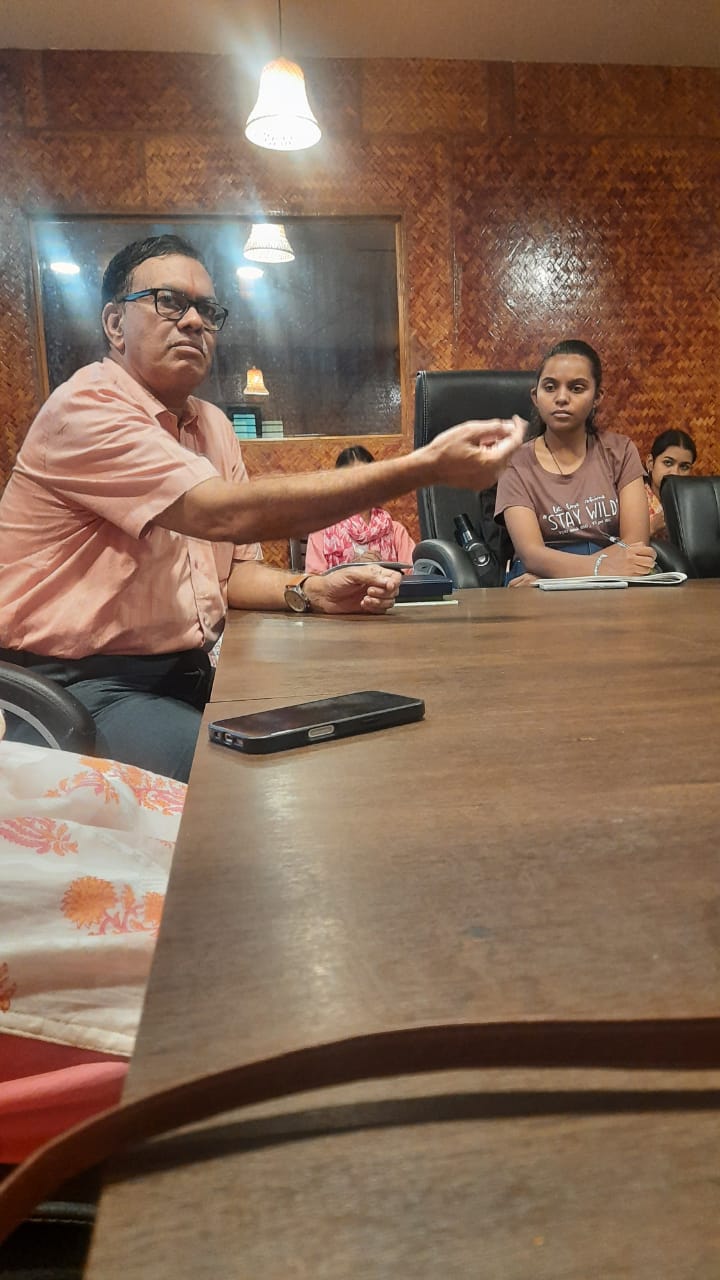
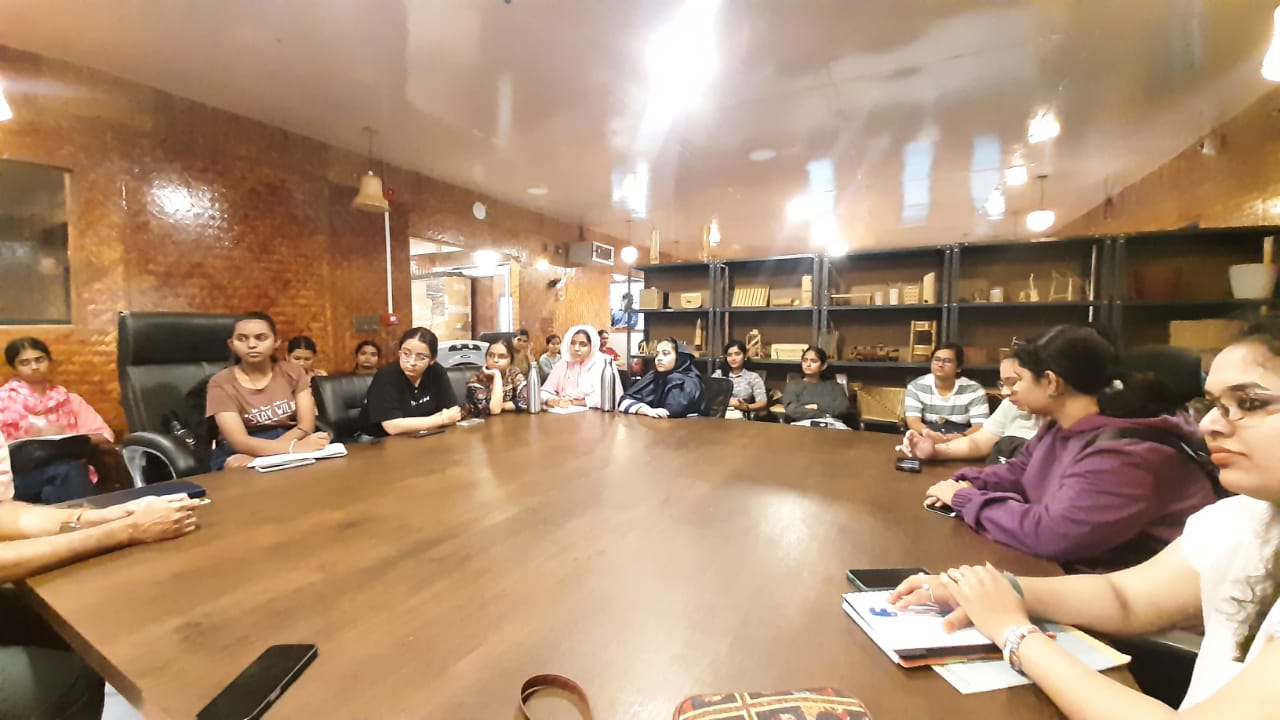
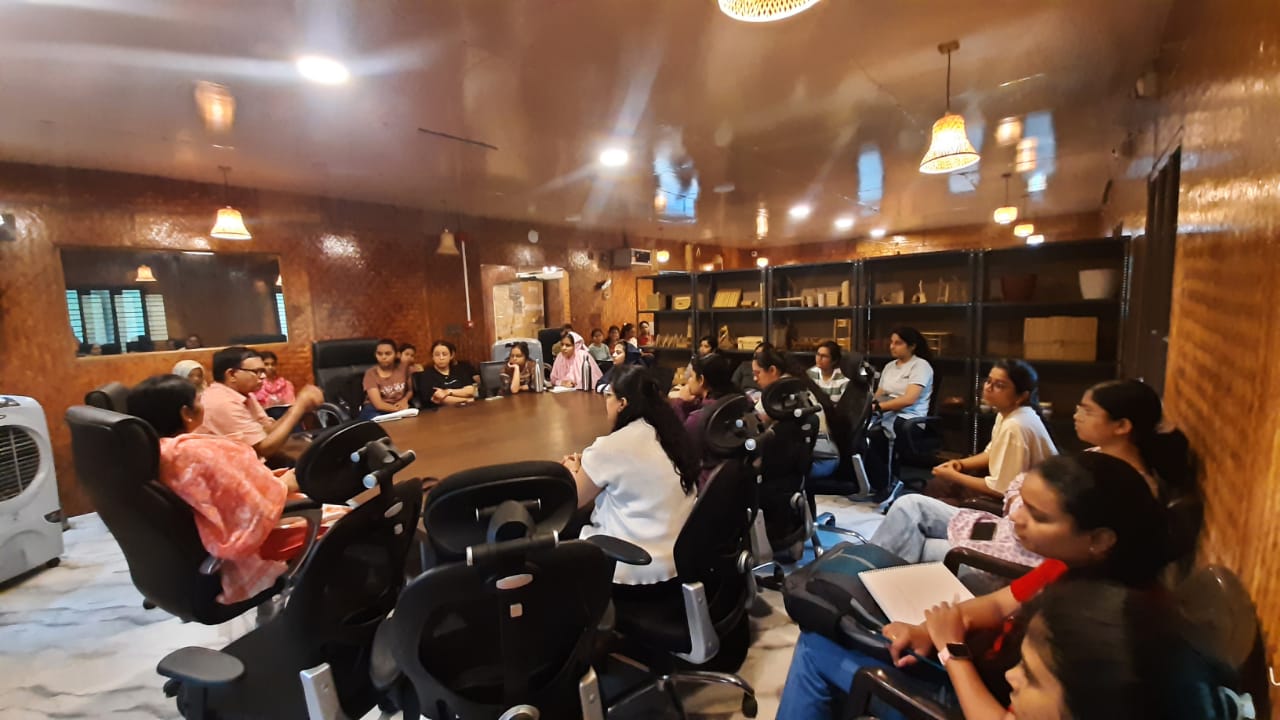
Visit to Bamboo Incubation Centre
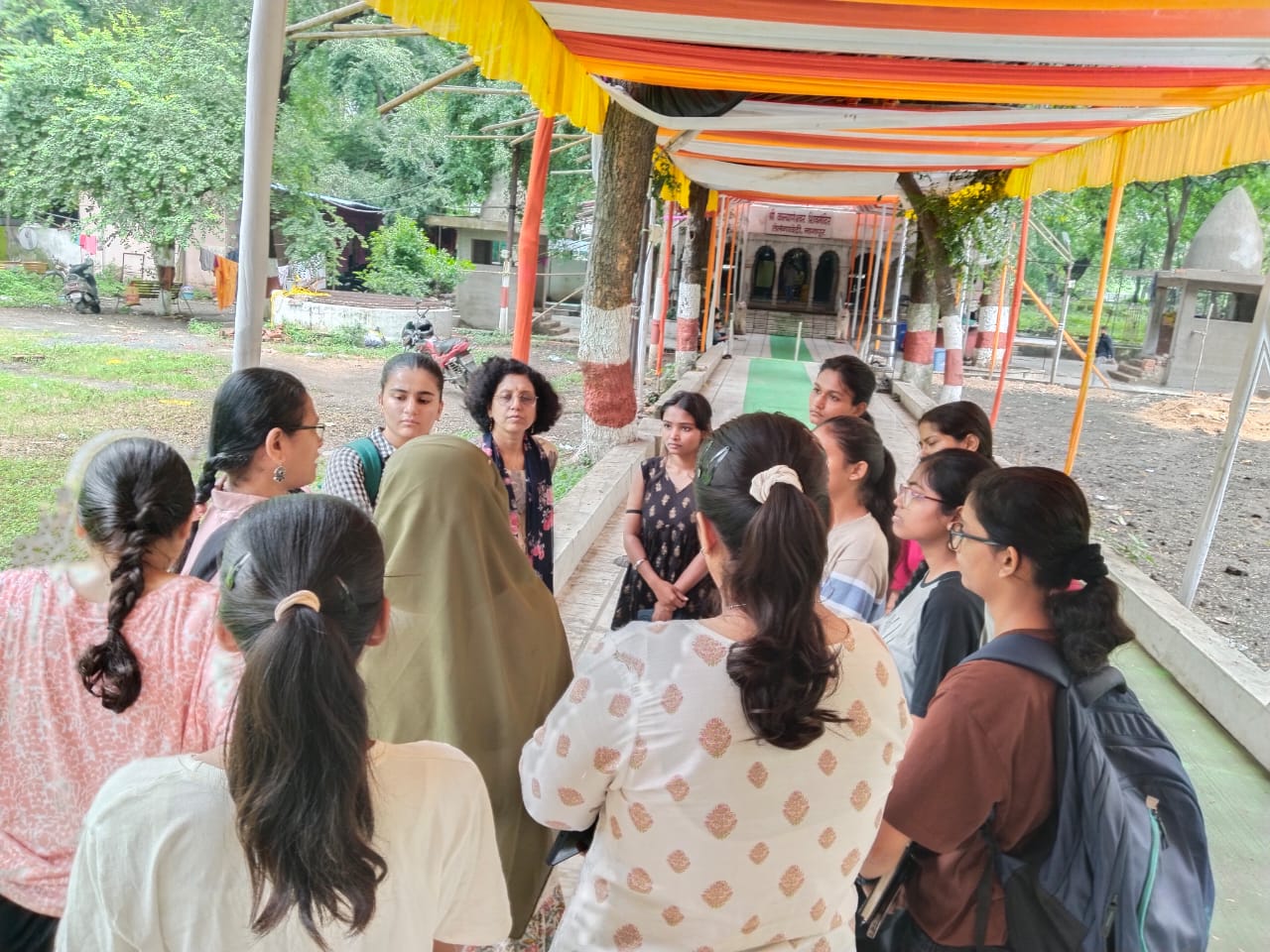
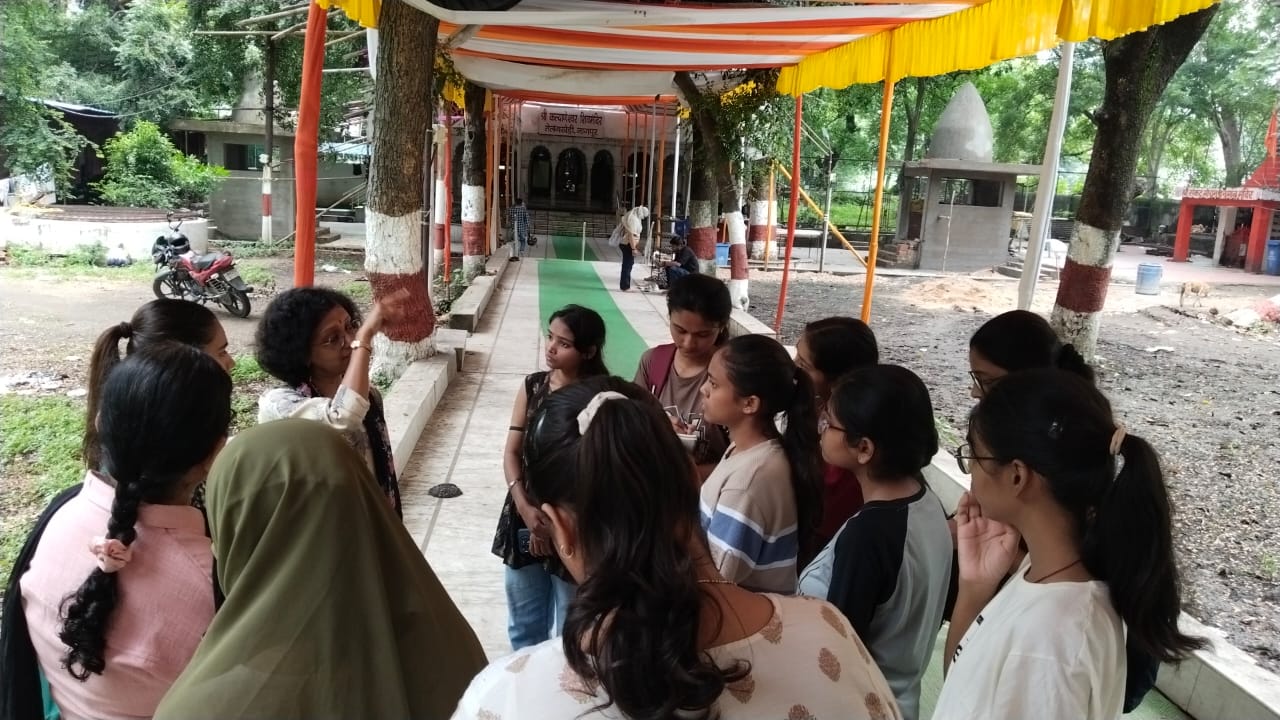
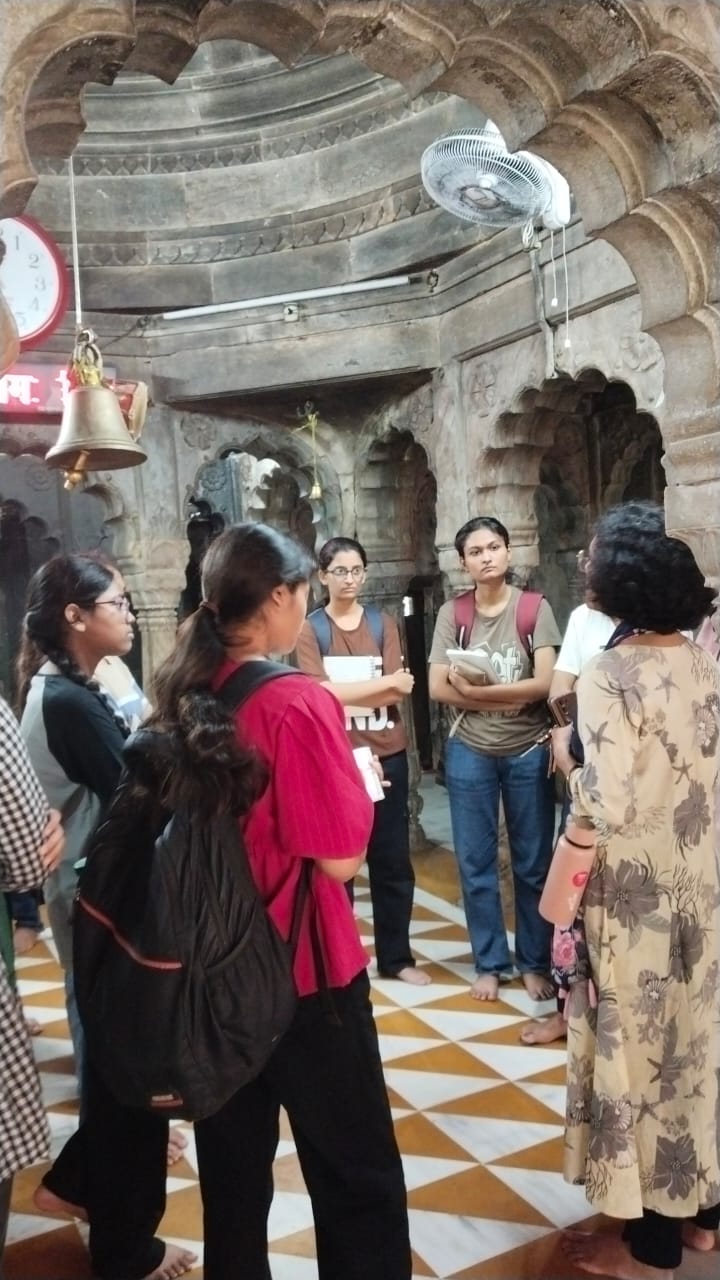
Visit to Kalyaneshwar Temple
2024-25
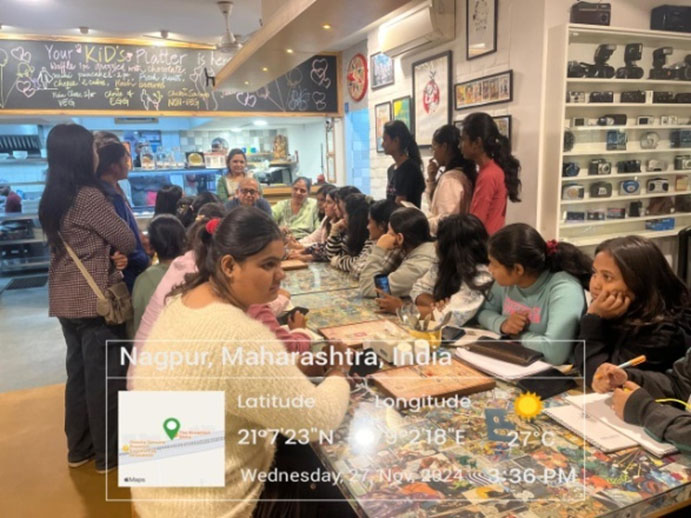
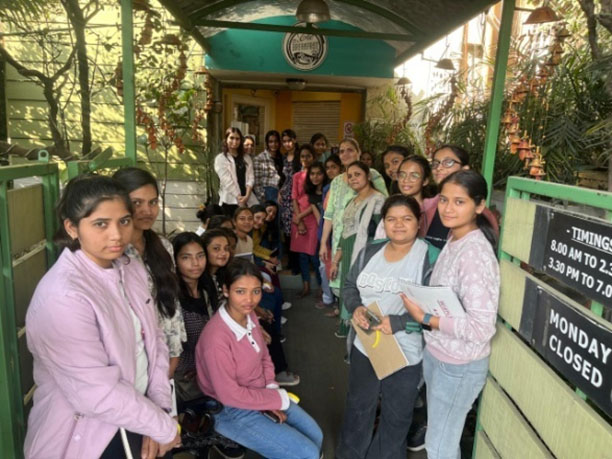
The Breakfast Story, Hingna Road and Bharat Nagar
Date–27th November 2024
Time :12:30 pm to 5:00 pm
Site Visit Objective–To understand the historical background of the sites & understand its existing conditions.
Participants – Faculty members (2)- 1st sem B.Arch students (27)
Co-ordinator –Prof. Atula Patwardhan and Ar. Sneha Bodhankar
Resource person – Ar. Mukul Kulkarni
About the Site Visit :
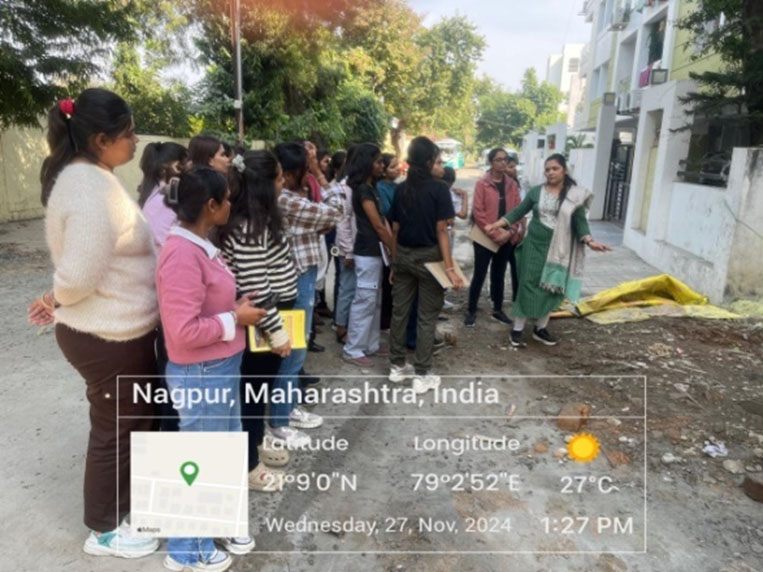
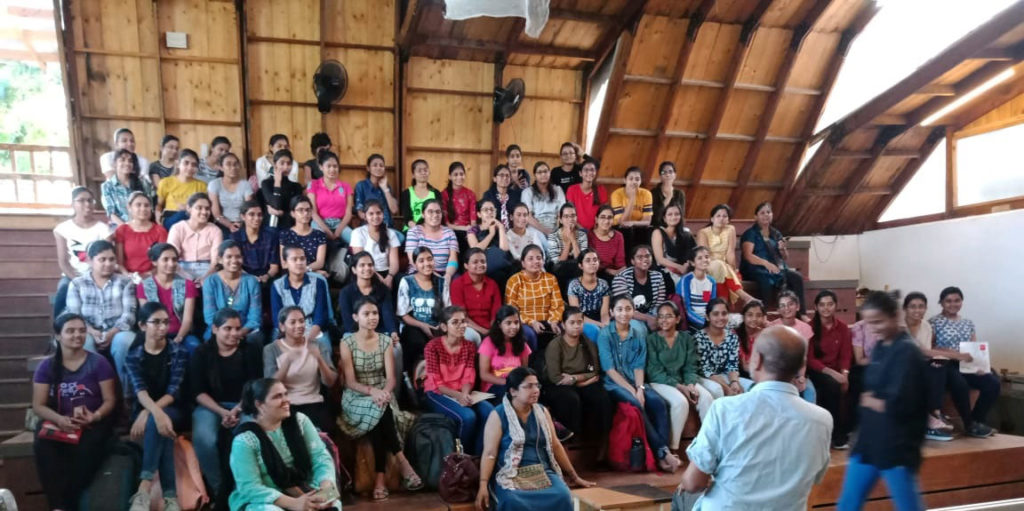
The site visit was organised on 27th November 2024 for the students of 1st sem B.Arch. The objective of the site visit was to understand the Spaces, activities and furniture layout. Ar. Mukul Kulkarni was the resource person who is a Breakfast Story Owner and practicing Architect in Nagpur city. Students experienced and documented The Breakfast Story Cafe for understanding the Theme cafe as a Design Project.
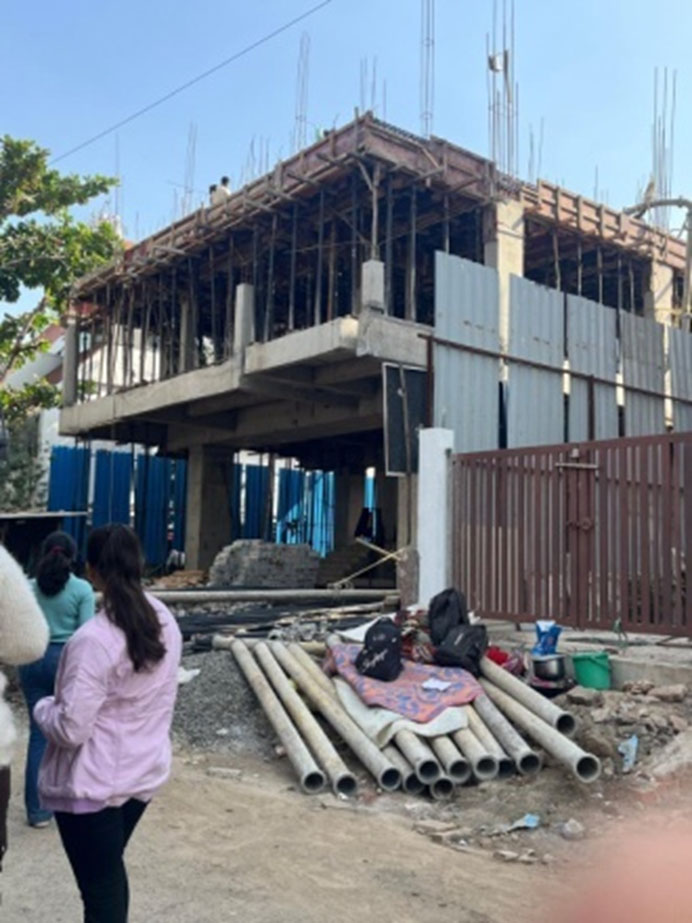
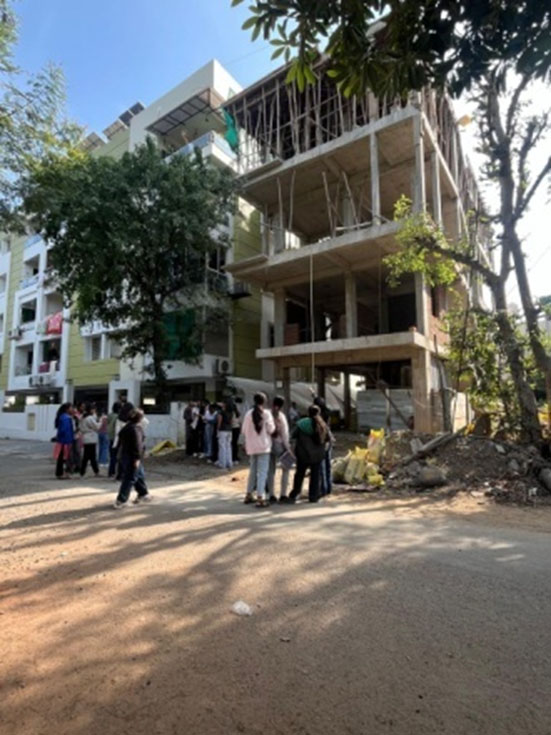
And also did the construction site visit to Bharat Nagar Flat scheme for understanding the different tool and techniques of show masonry work and frame structure.
Old High Court Building, Civil Lines, Nagpur
Subject: Institutional Project (3rd Semester) and Architectural Conservation (7th Semester)
Date – 13/09/2024
Teacher In charge: Dr. Neeta Lambe, Dr. Tarika Dagadkar, Ar. Sneha Bodhankar, Ar. Sneha Mandekar, Ar. Sarika Joshi
Objective of visit: To develop understanding about the importance of historical and heritage buildings and to provide knowledge about the various techniques of conservation in architecture and the development of the commitment to conserve old buildings of cultural importance.
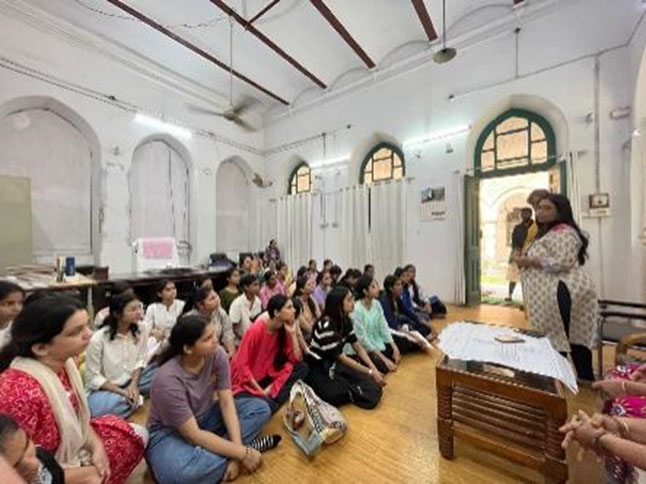
SMMCA INTACH Heritage Club organized visit to the Old High Court Building in Nagpur, On 13thSeptember 2024, 30 students from the 3rd and 7th semesters of B.Arch, accompanied by five faculty members. The visit was coordinated and permitted by the Dr. Madhura Rathore, Covener, INTACH Nagpur chapter. The visit was as part of the Institutional Project for the 3rd semester and the Architectural Conservation course for the 7th semester. The objective was to provide students with insights into the conservation efforts undertaken by the Archaeological Survey of India (ASI) to preserve this historic structure.
The purpose of the visit was to help students understand the architectural significance of the Old High Court building and the processes involved in its conservation. The site visit aimed to enhance their knowledge of colonial architecture, heritage conservation techniques, and the role of ASI in preserving India’s built heritage.
The Old High Court building is an iconic structure that dates back to the British colonial period. The students were particularlyinterested due to interaction with the ASI officials who described the unique architectural features and techniques that are used in the building.
Also, students observed the ongoing conservation work undertaken by ASI, which involved structural stabilization of roof and roofing materials, restoration of deteriorated terracotta roofing tiles, and careful cleaning of stone surfaces. Techniques such as lime plastering, stone replacement, were explained, providing students with a real-world understanding of heritage preservation.
The students learned about the challenges faced during the conservation process, such as availability of the skilled labour, balancing the need for modern functionality with the preservation of original materials and features. They also gained insights into the importance of documentation required for such projects.
The students actively participated in taking photographs, and discussing the techniques used in its conservation. ASI engineers and archaeologist guided them through the process of documenting the site and encouraged them to critically analyze the conservation efforts in relation to the building’s historical context.
The site visit to the Old High Court building provided a valuable opportunity for the students to understand the practical aspects of architectural conservation and institutional architecture
Nai Talim School, Swagram, Wardha
Subject: Institutional Project (3rd Semester)
Date – 12/08/2024
Teacher In charge: Dr. Neeta Lambe, Dr. Tarika Dagadkar, Ar. Sneha Bodhankar, Ar. Sarika Joshi
Objective of visit: To develop understanding about the importance of historical and heritage buildings and to provide knowledge about the various indigenous vernacular construction in architecture.
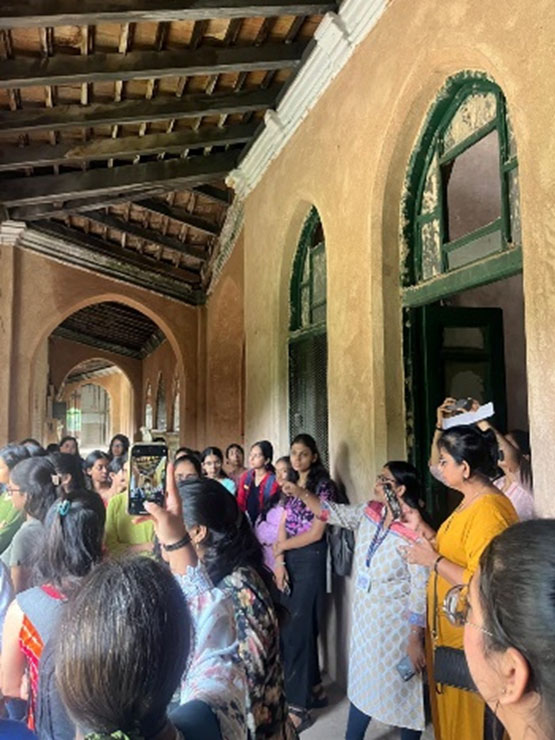
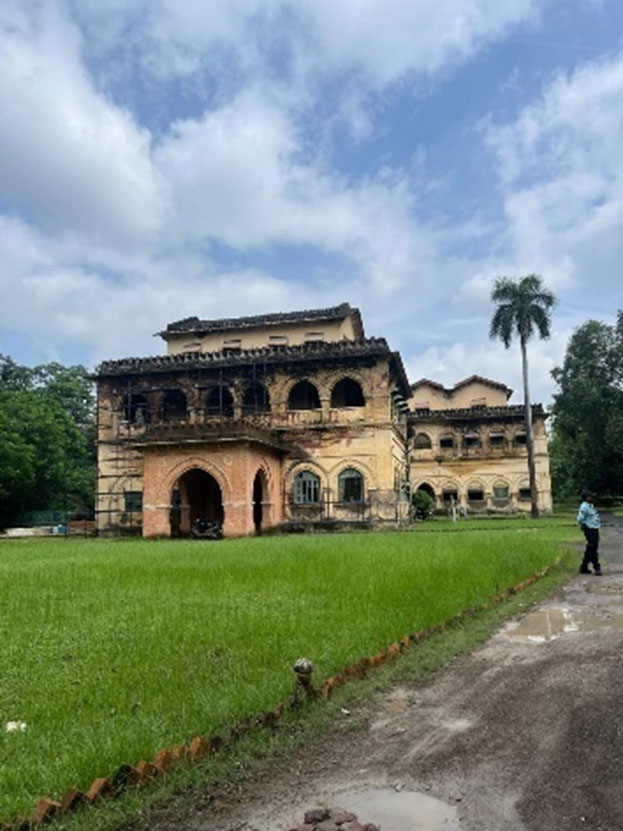
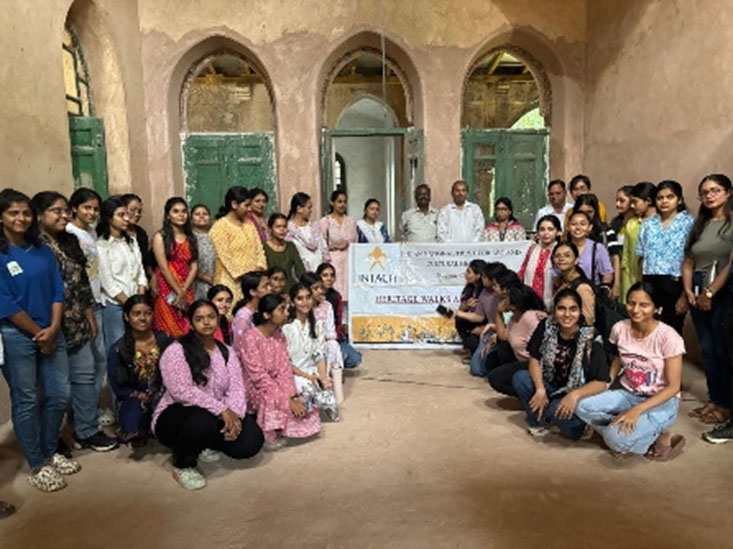
On 12th August 2024, SMMCA INTACH Heritage Club organized visit to the Old High Court Building in Nagpur, for 3rd sem. students of Institutional Project elective, with the goal of documenting and understanding the unique architectural design of the school, which is deeply rooted in the principles of experiential learning and sustainable practices. 30 students of the 3rd semester, along with four faculty members, visited Nayi Talim School in Sewagram, Wardha. The visit was organized as part of the.The primary purpose of the visit was to enable students to explore the architectural aspects of an institution that is historically and culturally significant. The students were tasked with documenting the spatial organization, construction techniques, material use, and the overall design philosophy of the Nai Talim School.
The students were actively involved in documenting the architectural features of the school. They sketched floor plans, elevations, and sections, and took detailed notes on the construction techniques and materials used. The visit also provided them with an opportunity to understand how architectural design can reflect and support educational philosophies.
The visit to Nai Talim School offered the students a comprehensive understanding of how architecture can be used to create educational environments that are sustainable, functional, and culturally relevant. The insights gained from this visit will be invaluable as they continue their studies in institutional architecture and design.
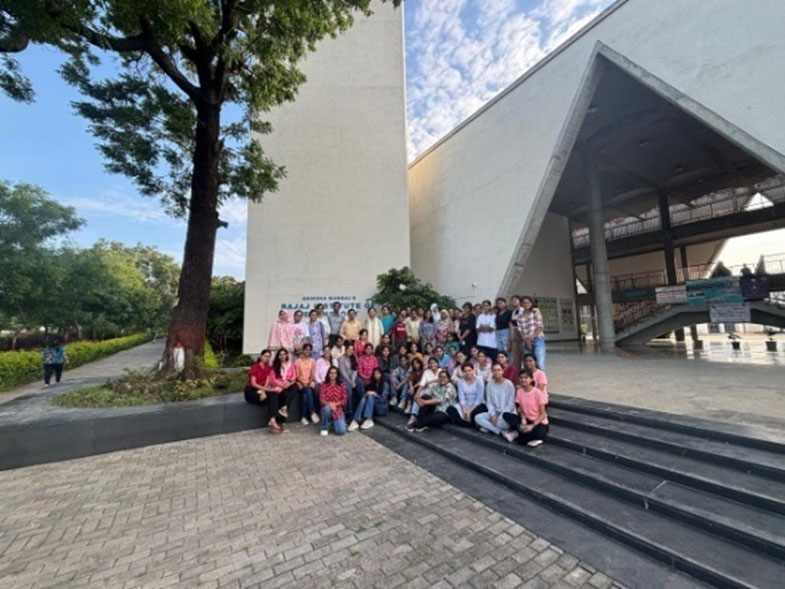
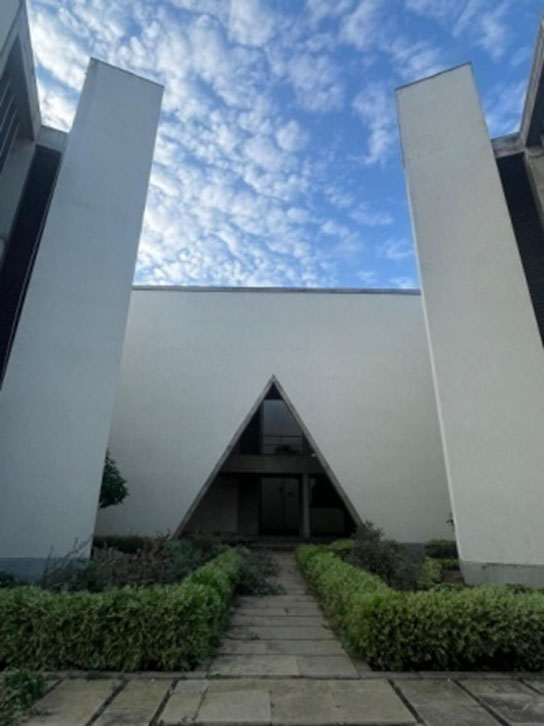
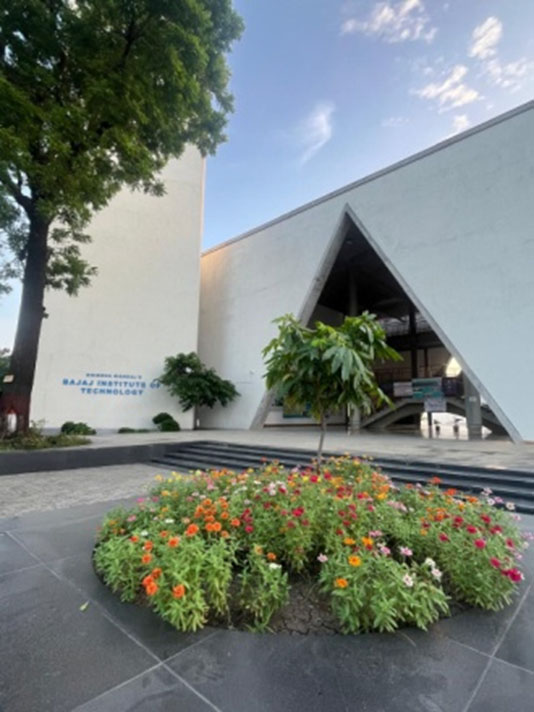
Visited Bajaj Institute of technologies (BITs), with an objective of site planning and campus. Understanding the placement of activities as per circulation and climate responsive design which was designed by master Ar. Christofer Beninger
Gandhi Ashram, Sewagram, Wardha
Date – 12/08/2024
Accompanying Faculty:
- Dr. Neeta Lambe
- Dr. Tarika Dagadkar
- Ar. Sarika Joshi
- Ar. Sneha Bodhankar
Participants:
- 30 Students of the 5th Semester, Architecture
Subject: Vernacular Architecture
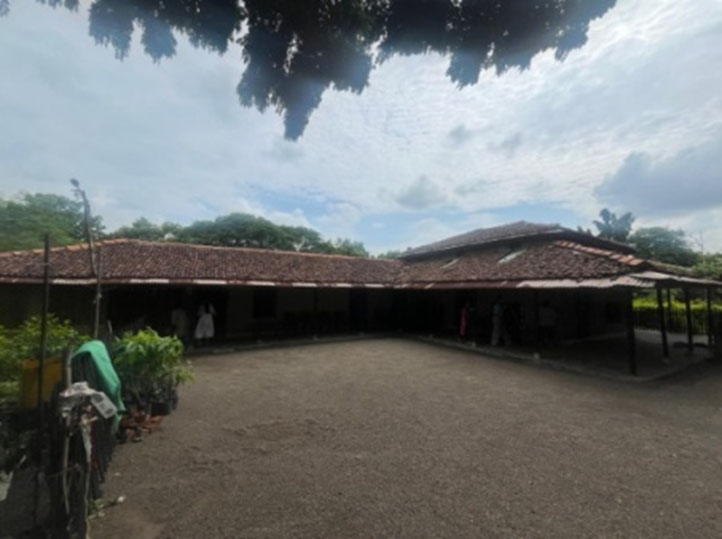
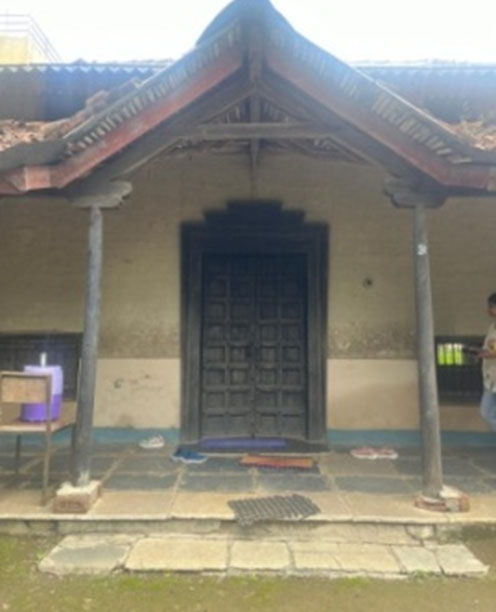
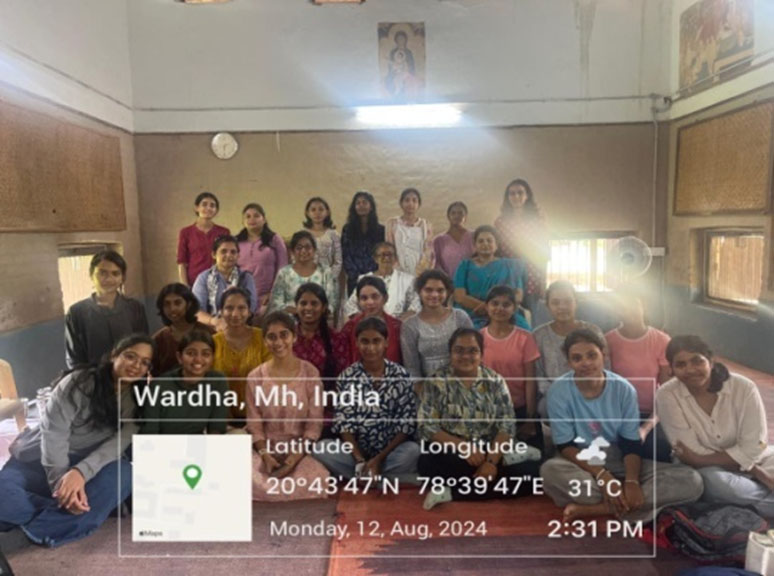
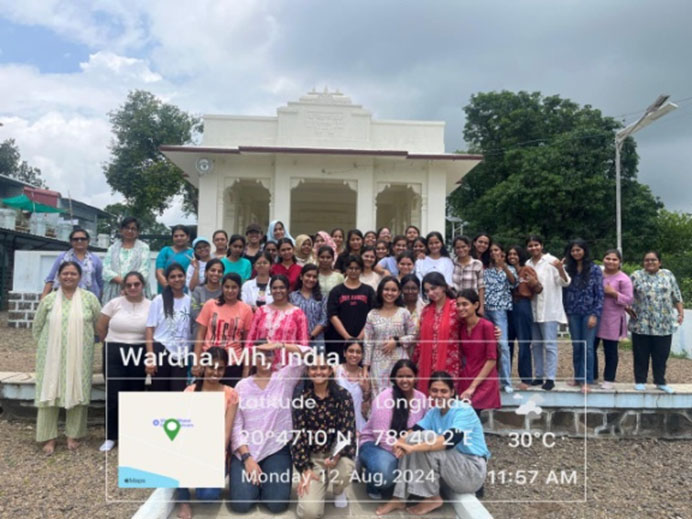
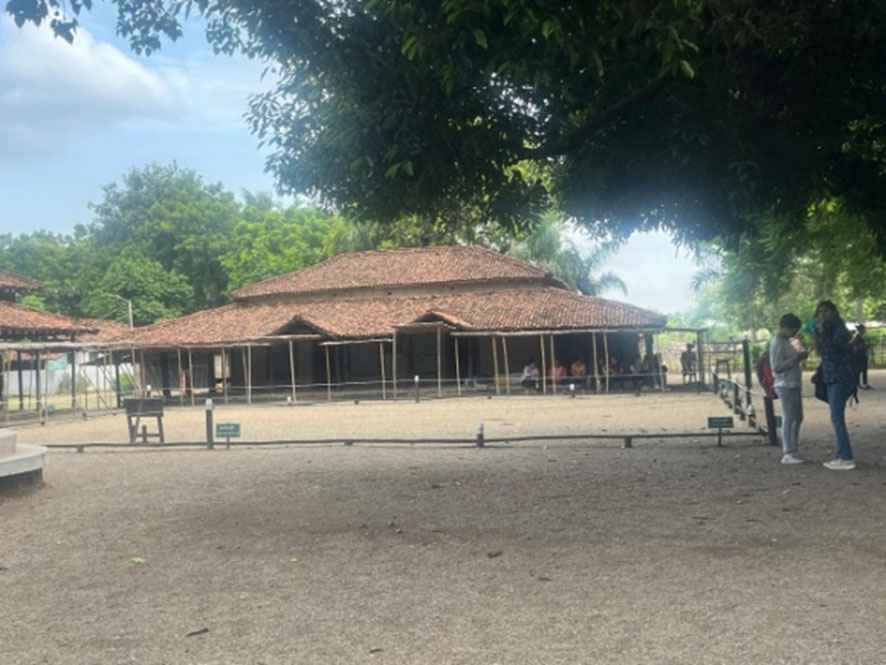
On 12th August 2025, 30 students of the 5th semester, accompanied by four faculty members, visited Gandhi Ashram in Sewagram, Wardha, as part of the Vernacular Architecture. The primary objective of this visit was to document and understand the vernacular architecture specific to the Vidarbha region, which is well-preserved in the Ashram’s buildings.
The purpose of the visit was to provide students with an opportunity to explore and analyze the indigenous architectural styles and techniques that are characteristic of the Vidarbha region. The site visit aimed to complement the theoretical knowledge acquired in the classroom by exposing students to real-world examples of vernacular architecture.
The architecture of the Gandhi Ashram reflects simplicity and functional design, which is emblematic of the Gandhian philosophy. The structures are primarily built using locally available materials such as mud, stone, and bamboo, showcasing the sustainable practices inherent in vernacular architecture.
The buildings predominantly use adobe walls, thatched roofs, and earthen floors. The use of these materials not only aligns with the climatic conditions of the region but also contributes to the sustainability and low environmental impact of the structures.
Traditional construction techniques, such as wattle and daub, are evident in the walls, providing excellent insulation and thermal comfort. The layout of the buildings is designed to optimize natural ventilation and lighting, reducing the need for artificial cooling and lighting.
The Ashram’s architecture is deeply rooted in the cultural and social context of the region. The design and layout of the spaces reflect the communal and self-sufficient lifestyle promoted by Mahatma Gandhi, emphasizing the importance of harmony with nature.
The spatial arrangement of the Ashram buildings reflects a blend of private and communal spaces, which are interconnected by open courtyards and pathways. This layout not only facilitates interaction but also enhances the sense of community among the inhabitants.
The students actively engaged in documenting the architectural details through sketches, photographs, and notes. They were encouraged to observe the relationship between the built environment and the natural landscape, as well as the functional aspects of the design.
The visit to Gandhi Ashram provided the students with a profound understanding of vernacular architecture in the Vidarbha region. It allowed them to witness first-hand how traditional building practices are adapted to local climatic conditions and cultural contexts. This experience will undoubtedly enrich their academic journey and inspire them to incorporate sustainable and contextually relevant practices in their future architectural endeavours.
2022-23
| DATE | EVENTS |
| 6th Sep 2022 | Under the elective subject Urban Planning, students of 7th semester were taken to visit the Ambazari Biodiversity Park, Nagpur. The studio focuses on making the passive green urban spaces active with people’s participation. Ambazari Biodiversity is identified live case study for the same. The objective for the visit was to sensitize students towards the importance of green areas within the urban setting and understand the active interaction of citizens with the forest and also in maintaining and conserving the urban forests. Students experienced and understood the importance of natural green setting within the congested urban areas. During the walk on the trail, they could experience diverse native flora and fauna of the place and various ecological services such forest areas provide us. |
| 15th Sep | 5 semester site visit to Enrico and Govindam Kabir Chowk |
| 6th & 7th Oct | Site visit Hemalkasa |
| 13th Oct | Three pendals were visited, where work at various stages of dismantling was in progress to understand the foundation, structural integrity of the system against various live and dead loads, and the structural and covering material of temporary structures. Teacher In-charge: Ar. Poornima Deshpande, DR. Sujata Godbole, Ar. Rashmi Tijare, Ar. Namrata Gaurkhede. |
| 15th Oct | 7 semester visited spacewood factory |
| 17th Oct | Radha Saomi Satsang Mankapur sports stadium Radhasaomi Satsang: This site visit included observing the scale of space frame structure, taking measurements and drawing sketches. It led to understanding of true space structures, its material and construction technique, rain water harvesting at structure and site level. The additional advantage was the visit to their administrative office, guest accommodation, circulation and public facilities for the current design project. Mankapur Stadium: This visit observing and understanding the span and scale of dome structure, the related joinery and service details. |
| 9th Nov | 5 semester Construction site visit Shankar Nagar |
2021-22
| DATE | EVENTS |
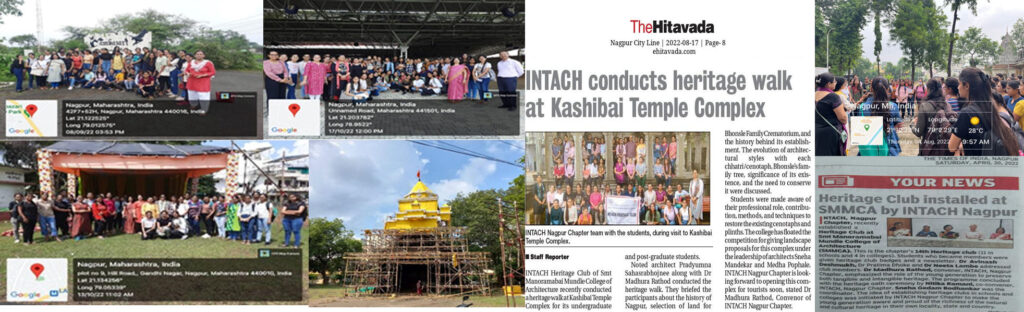
| 1st Feb 2022 | First semester students , M.Arch (Urban Design ) went for site visit for Study of Communities- Urban Design Studio Project Visit to: Mehdibagh area, Tailor galli chaoni, Bohra community mangalwari & Tata Baugh of Parsi Community |
| 1st June | Site visits for Study & Documentation of Smart Streets -Urban Design Live Short Project Visit to: Japanese Garden to Orang city square (SMART STREETS PROJECT) |
| 27th July | Site Visit (M.Arch UD) at CIDCO officials. |
| 20th Oct | Site Visit for seventh semester Design Major Project |
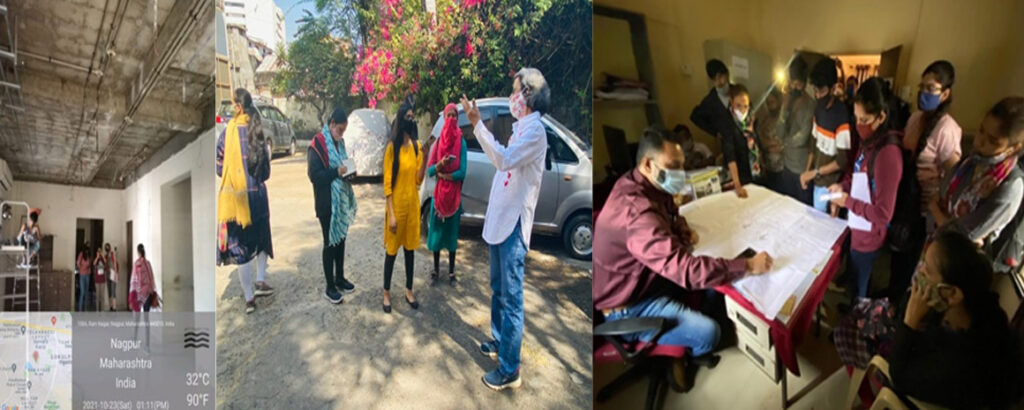
| 23rd Oct | Fifth Semester Site visit to study False Ceiling |
2019-20
Construction Xth semester site visit at Ujwal Nagar Somalwada for cracks, rebarring and construction chemicals !!!
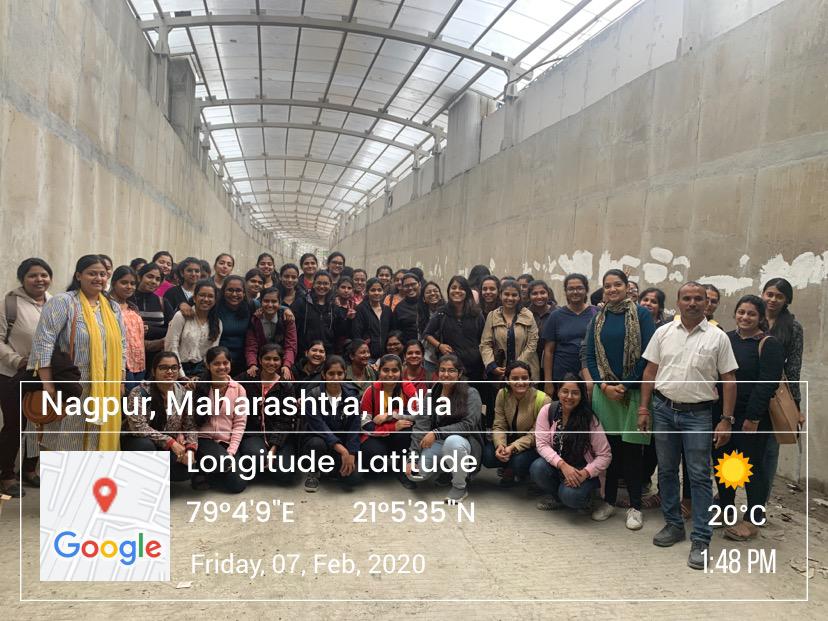
1st year site visit to Kalyaneshwar mandir, All Saints Cathedral, India Peace center and Makers Adda.
Start your inspired journey
with SMMCA
About SMMCA
Smt Manoramabai Mundle College of Architecture offers a five year degree course in Architecture (B.Arch), two year post graduate course (M.Arch in Architecture Education and Urban Planning) and Ph.D. in architecture.
Follow Us
Contact Us
Address
SMT. MANORAMABAI MUNDLE COLLEGE OF ARCHITECTURE LAD COLLEGE CAMPUS, SEMINARY HILLS, NAGPUR 440006 (M.S.) INDIA
Copyrights © 2025. All rights reserved by SMMCA, Nagpur.